A Review of Characteristics and Applications of Common Polymer Waterproofing Membranes
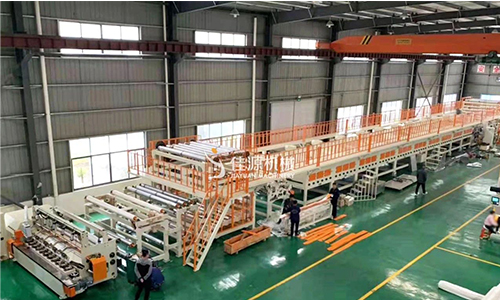
Polymer waterproofing membranes play a significant role in modern building waterproofing projects due to their excellent performance and long-term durability. Currently, widely used types include PVC, TPO, EPDM, and HDPE self-adhesive membranes, each with distinct raw material compositions, performance characteristics, and application fields.
1. PVC Waterproofing Membrane
PVC waterproofing membrane is produced mainly from PVC resin, with plasticizers and other chemical additives added during a multi-step manufacturing process. The abundant availability of raw materials enables large-scale production. Thanks to the good compatibility of the material, stabilizers can be incorporated to achieve anti-aging effects, effectively improving the overall performance of the membrane. In terms of construction, PVC membranes are welded using hot air, offering good weldability, safety, and environmental friendliness. Additionally, the membrane exhibits excellent impermeability, good low-temperature flexibility, and resistance to chemical corrosion. It is widely used in basement waterproofing, metal roof waterproofing, and other fields. However, it is worth noting that PVC membranes have poor thermal stability and tend to release toxic gases at high temperatures. Moreover, while the addition of plasticizers improves adhesion, reduces melt viscosity, and enhances aging resistance, it also brings certain disadvantages.
2. TPO Waterproofing Membrane
TPO waterproofing membrane is composed mainly of thermoplastic polyolefin (TPO) synthetic resin, with antioxidants and other additives. Through breakthroughs in molecular structure design, TPO membranes developed based on block copolymerization not only possess the advantages of PVC membranes but also exhibit superior high-temperature and low-temperature stability. Furthermore, TPO membranes contain no plasticizers, show minimal shrinkage deformation, are recyclable, easy to repair, and feature fast, environmentally friendly construction. Owing to these outstanding advantages, TPO membranes are widely used in various roof waterproofing applications. However, TPO materials consist only of carbon and hydrogen, making them flammable with a low ignition point and high heat release during combustion. Therefore, flame retardants must be added during production to prevent roof fires. Given that TPO membranes are often exposed to high-temperature roof environments, thermal aging resistance is a strict and critical performance indicator.
3. EPDM Waterproofing Membrane
EPDM waterproofing membrane is made from ethylene-propylene-diene monomer (EPDM) rubber as the main body, with various additives incorporated through multiple production processes. Due to the polymeric and relatively stable molecular structure of EPDM rubber, the membrane maintains excellent waterproofing effectiveness over long-term use. Even when prolonged sunlight exposure raises the surface temperature, dimensional changes are minimal. The membrane also offers good elongation, effectively adapting to building structural deformations and movements, and quickly adjusts to temperature changes with a wide operating temperature range. By virtue of these excellent properties, EPDM membranes are not only used in traditional building roofs but have also been successfully applied in the single-layer panel roof waterproofing of the 2022 Beijing Winter Olympics Speed Skating Oval.
4. Non-Asphalt-Based Polymer (HDPE) Self-Adhesive Film Waterproofing Membrane
HDPE waterproofing membrane is made from high-density polyethylene (HDPE) prepared by the low-pressure solution method. In addition to excellent mechanical properties, HDPE is resistant to acid and alkali corrosion, chemically stable, environmentally friendly, non-toxic, and easy to process and shape. The membrane consists of a homogeneous HDPE sheet as the main body, with a self-adhesive material layered on the surface, resulting in a waterproofing membrane suitable for bonding with building materials. It can react with cement slurry and solidify on the concrete surface, forming a gapless waterproof layer that significantly enhances waterproofing reliability. Therefore, HDPE waterproofing membranes are widely used in applications such as subway tunnels, bridge deck waterproofing, and other pre-applied waterproofing construction fields in China.

 HOT LINE: 086-13967771389