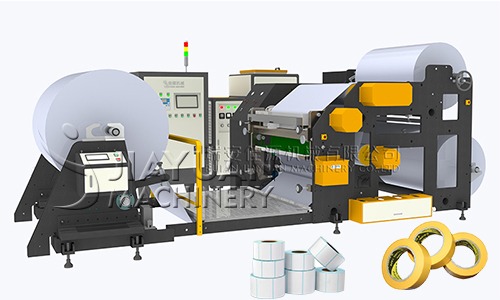
In the fast-paced world of modern manufacturing, efficiency and quality are non-negotiable. Whether you are in packaging, automotive, or construction, the machinery you use dictates your production speed and product reliability. Among the most critical pieces of equipment is the hot melt coating machine.
This comprehensive guide will walk you through exactly what a hot melt coating machine is, how it operates, its wide range of applications, and how to choose and maintain the right system for your factory.
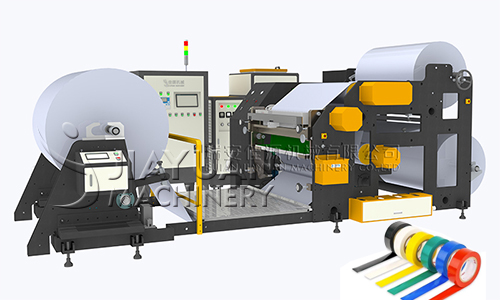
A hot melt coating machine is a specialized piece of equipment that applies thermoplastic adhesives (hot melt glue) to a substrate. The adhesive is heated until it becomes liquid, applied to the material, and then rapidly cools to form a strong, permanent bond.
Unlike water-based or solvent-based adhesives, hot melt technology does not require drying ovens or lengthy curing times. This makes it one of the most efficient and environmentally friendly coating methods in contemporary manufacturing.
How Does a Hot Melt Coater Work?
The operational process of a hot melt coating machine is systematic and straightforward:
Melting: Solid hot melt adhesive is loaded into a heated tank or melting grid. It is heated to a specific temperature (typically between 175°C and 230°C) until it reaches a flowable, liquid state.
Transporting: A pump (often a gear pump) transports the melted adhesive from the tank to the application mechanism.
Application: The adhesive is applied to the substrate through various methods, such as a slot die, roller, or spray nozzle.
Bonding: As soon as the hot adhesive contacts the cooler substrate, it begins to solidify instantly, creating a strong bond.
Advanced systems are equipped with PLC control panels that allow operators to adjust temperature, pressure, and coating speed in real-time, ensuring perfect coating thickness and uniformity.
To ensure optimal performance and longevity, a typical industrial hot melt coating machine consists of several essential components:
Melting Tank & Heating System: The core where the solid adhesive is melted. Precise temperature control is crucial to prevent degradation of the adhesive.
Gear Pump: Maintains consistent pressure and delivers the precise amount of adhesive required.
Application Head (e.g., Slot Die or Roller): Dictates the width and thickness of the coating.
Substrate Feeding System: Ensures the material (paper, film, non-woven, etc.) moves smoothly through the machine at a consistent speed.
Cooling & Laminating Unit: Speeds up the solidification process and can combine multiple layers of materials.
Control Panel (PLC): The "brain" of the machine, allowing operators to set and monitor all operational parameters.
Key Applications and Industries

The versatility of hot melt adhesives means they are used across a vast array of industries. Here are some of the most common applications:
Packaging & Labeling: Used for carton sealing, case erecting, and applying pressure-sensitive labels. Hot melt's fast setting time is perfect for high-speed packaging lines.
Automotive: Applied in interior trim bonding, soundproofing materials, and electronic component encapsulation.
Textiles & Non-wovens: Essential for laminating fabrics, manufacturing disposable hygiene products (diapers, sanitary pads), and waterproofing outdoor apparel.
Medical & Healthcare: Used in the production of medical tapes, bandages, and sterile packaging, requiring medical-grade, non-toxic adhesives.
Electronics: Provides moisture-proof and dust-proof sealing for delicate electronic components.
How to Choose the Right Hot Melt Coater?
Investing in a hot melt coating machine is a significant decision. To ensure you get the best ROI, consider the following factors:
Substrate and Adhesive Compatibility: Will you be coating paper, plastic film, or foil? What type of hot melt glue (EVA, APAO, PUR) will you use? Ensure the machine's heating and feeding systems are compatible.
Coating Width and Thickness: Determine the maximum width of your substrate and the required coating weight (grams per square meter). This will dictate the size of the slot die or roller.
Production Speed: The machine's speed must match your existing production line to avoid bottlenecks.
Automation Level: Do you need a simple manual setup, or a fully automated system with PLC touchscreen controls, auto-feeding, and remote monitoring?
Essential Maintenance and Troubleshooting
Even the most robust machine requires proper care. Regular maintenance will extend the lifespan of your hot melt coater and prevent costly downtime.
Routine Maintenance Checklist:
Daily Cleaning: Remove adhesive residue from nozzles and rollers before it cools and hardens.
Temperature Checks: Regularly calibrate temperature sensors to prevent adhesive carbonization.
Inspection: Check hoses, seals, and pumps for wear and tear.
Common Issues & Quick Fixes:
Adhesive not melting properly: Check heater elements and ensure the tank is not clogged with carbonized glue.
Inconsistent coating thickness: Verify the pump pressure, check the slot die for blockages, and ensure the substrate feeding speed is constant.
Poor adhesion: The adhesive temperature might be too low, or the substrate surface might be contaminated with oil or dust.
Frequently Asked Questions (FAQs)
Q1: What is the main advantage of a hot melt coating machine over solvent-based systems?
A1: Hot melt systems are environmentally friendly (no VOC emissions), require no drying ovens (saving massive amounts of energy and space), and offer much faster production speeds since the adhesive cools and sets instantly.
Q2: What materials can be coated using hot melt technology?
A2: Hot melt adhesives can bond to a wide variety of substrates, including paper, cardboard, plastic films (PET, PE, PP), aluminum foil, foam, non-woven fabrics, and textiles.
Q3: Can I use PUR (Polyurethane Reactive) adhesive in a standard hot melt coater?
A3: PUR adhesives require specific moisture-curing conditions and specialized equipment (like nitrogen blanketing) to prevent the glue from reacting with moisture in the air and curing inside the machine. You need a dedicated PUR hot melt system.
Q4: How can I ensure the precision of the coating thickness?
A4: Precision is achieved through accurate gear pumps, high-quality slot die heads, and real-time tension control of the substrate. Regular maintenance and calibration are also critical.
Ready to upgrade your production line?
At Jiayuan machine, we manufacture high-performance hot melt coating and laminating machines designed for precision and durability. Contact our engineering team today to discuss your specific application and get a customized solution.

 HOT LINE: 086-13967771389