I. Selection and Application of Hot Melt Adhesives
When selecting a hot melt adhesive for anti-counterfeit labels, the following factors need to be considered:
Bonding Performance: The hot melt adhesive must possess excellent bonding performance to securely affix the anti-counterfeit label to the target object. It should have high bond strength and durability to ensure the label is not easily peeled or tampered with.
Transparency: Transparent hot melt adhesive provides better visual effects, allowing the information on the anti-counterfeit label to be clearly visible, thereby enhancing credibility.
Temperature Resistance: Since labels may encounter high-temperature environments (e.g., baking, sterilization), the hot melt adhesive must have good temperature resistance and should not easily melt or deform.
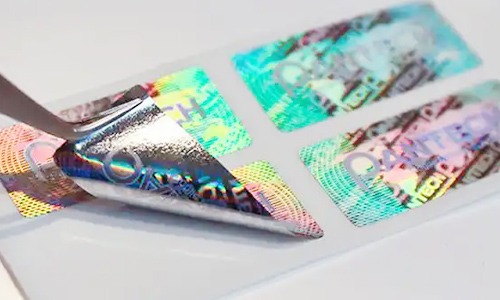
Once a suitable type of hot melt adhesive is identified, it can be applied in the production process of various anti-counterfeit labels. Using hot melt adhesive enables a strong bond between the label and the product, preventing tampering or replacement of the label. This bonding method is not only robust and reliable but also relatively difficult to imitate or substitute, thereby enhancing product security.
II. Precautions
When selecting and applying hot melt adhesives for anti-counterfeit labels, the following precautions should be kept in mind:
Quality Assurance: Choose reliable suppliers or brands to ensure the purchased hot melt adhesive complies with relevant quality and safety standards, guaranteeing its bonding effectiveness and service life.
Compatibility with Different Materials: Different products may use various materials, such as metal, plastic, paper, etc. When selecting a hot melt adhesive, consider whether it can effectively bond with different types of materials to ensure label stability and bonding performance.
Temperature Control: During application, temperature must be carefully controlled to ensure the hot melt adhesive reaches the optimal bonding temperature. It should not be overheated (causing burns/scorching) or too low (resulting in poor adhesion).
Environmental Friendliness: When selecting a hot melt adhesive, consider whether it meets environmental requirements. Opt for solvent-free, low-volatility hot melt adhesives to reduce environmental pollution and health impacts.
III. Advantages and Disadvantages
Hot melt adhesives for anti-counterfeit labels offer the following advantages and disadvantages:
Advantages:
Strong Bonding: Hot melt adhesives provide high bond strength, ensuring labels adhere firmly to the target object and preventing tampering or peeling.
Ease of Use: Hot melt adhesives are typically sold in solid form. They simply need to be melted in a hot glue gun for application, making the process simple and quick.
Rapid Curing: Hot melt adhesives cure quickly, forming a strong bond once cooled, which enhances production efficiency.
Disadvantages:
Thermal Sensitivity: Hot melt adhesives are sensitive to temperature and humidity and can be easily affected by the external environment, requiring use under suitable temperature conditions.
Unsuitability for High-Temperature Applications: While hot melt adhesives have a degree of temperature resistance, they can soften or melt in high-temperature environments, potentially compromising adhesion and anti-counterfeit performance.
Relatively Long Curing Time: Compared to some other adhesives, hot melt adhesives may have a longer curing time, sometimes requiring a waiting period to achieve optimal bond strength.
IV. Future Market Trends
With the continuous development of anti-counterfeit technologies, hot melt adhesives for anti-counterfeit labels will face new market trends:
Application of High-Performance Materials: Technological advancements and the emergence of new high-performance materials will drive the development of hot melt adhesives for anti-counterfeit labels. For example, developing hot melt adhesives suitable for extreme environments (high temperature, low temperature) to meet the needs of various industries.
Environmental Sustainability: Growing emphasis on environmental issues will shift market trends towards greener and more eco-friendly products. Consequently, developing solvent-free, low-volatility hot melt adhesives will be a key direction.
Intelligent Applications: With the proliferation of Internet of Things (IoT) technology, future hot melt adhesives for anti-counterfeit labels may integrate with smart devices, enabling remote monitoring, data transmission, and other functions, thereby improving anti-counterfeiting effectiveness and management efficiency.

 HOT LINE: 086-13967771389