Coating Line for Sale: Used Coating Lines – Opportunities and Risks, Inspection Checklist, and Refurbishment Options
The used coating line market offers a range of opportunities, from fully operational lines to "as-is" machines that require significant refurbishment. The primary advantage is lower capital cost; a used line can be 30-60% cheaper than a new one. However, the risks include hidden wear, obsolete components, incomplete documentation, and potential compliance issues. A detailed inspection is mandatory to assess the line's condition and to estimate the refurbishment cost. The inspection should be performed by a team that includes a mechanical engineer, an electrical engineer, and a process engineer. The inspection checklist covers: (1) Mechanical: roll condition (runout, surface finish, rubber hardness), bearing play, frame alignment, drive motors and gearboxes, oven structure, and web path components. (2) Electrical: PLC type and age, sensors (thickness gauge, temperature, pressure), drives (VFDs), control panel cleanliness, and wiring integrity. (3) Process: coating head (die or gravure cylinder) condition, pump condition, filter housing, oven temperature uniformity (measured by a thermocouple array), solvent recovery system (carbon beds, condenser), and chill rolls. (4) Auxiliary: unwind and rewind chucks, edge guides, corona treater, and splicing tables. (5) Safety: emergency stops, fire suppression, LEL monitors, and guarding. The seller should allow the inspection team to run the line (if possible) to observe its operation and measure coat weight uniformity. The inspection report should include a cost estimate for necessary repairs and replacements.
Refurbishment options range from basic (cleaning and minor repairs) to full (replacing the control system, re-grinding rolls, replacing the oven burners, installing new sensors). A refurbishment plan should be developed based on the inspection findings. For example, if the rolls are worn, they can be re-ground and re-chromed; if the oven's temperature control is poor, the heater elements and thermocouples can be replaced; if the PLC is obsolete, it can be upgraded to a modern system with HMI and connectivity. The cost of refurbishment must be added to the purchase price to determine the total investment. The payback period is calculated by comparing the refurbished line's productivity and quality to a new line. In some cases, refurbishment is the best option if the line has a robust mechanical foundation but outdated controls. The refurbishment should be done by a qualified engineering firm with experience in coating lines. The process includes: disassembly, cleaning, inspection, replacement of worn parts, reassembly, alignment, and calibration. After refurbishment, the line should undergo a commissioning process similar to a new line. In summary, refurbishing a used line can be a cost-effective strategy, but it requires careful planning and execution.
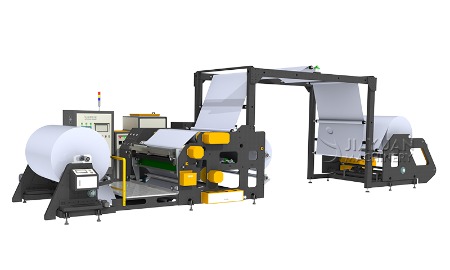
Adhesive coating machine
Risk assessment is a critical part of the used line purchase decision. The risks include: (1) Unforeseen major failures (e.g., cracked frame, burned motors) that add to the cost; (2) Incompatibility with current substrate or adhesive chemistry; (3) Lack of spare parts for obsolete components; (4) Inadequate documentation leading to long troubleshooting times; (5) Non-compliance with current environmental or safety regulations, requiring expensive retrofits. To mitigate these risks, the buyer should: (1) Have the line inspected by an independent expert; (2) Request a trial run with the actual materials; (3) Verify the availability of critical spare parts; (4) Check the manufacturer's support and the availability of technical manuals; (5) Include a contingency budget (e.g., 20% of the purchase price) for unexpected repairs. The seller should be willing to provide a limited warranty (e.g., 90 days on the main components) or a full refund if the line fails to meet the stated specifications. The contract should clearly define the terms of sale. In summary, a used line can be a smart purchase if the risks are understood and managed. The buyer should not rush; a thorough due diligence is the key to a successful acquisition.
Practical tips for buying a used coating line: (1) Focus on lines from reputable manufacturers (e.g., those with known quality and service); (2) Prefer lines that have been well-maintained, with complete maintenance logs; (3) If possible, visit the seller's facility to see the line in operation; (4) Check the line's age and hours of operation; (5) Ask about the reason for sale—if the seller is upgrading, the line may be in good condition; if the line has been idle for a long time, there may be corrosion or seal damage; (6) Get a quote for shipping, installation, and commissioning; (7) Negotiate the price based on the inspection findings. In conclusion, buying a used coating line can be a rewarding investment if approached with diligence and expertise. The cost savings can be substantial, allowing the buyer to enter a new market or expand capacity with a manageable budget. However, the buyer must be prepared for the associated risks and be willing to invest in refurbishment and ongoing maintenance. With a systematic approach, the used coating line can provide years of reliable service and a good return on investment.