Coating Machine Exporter: Navigating International Sales, Logistics, and Compliance
Coating machine exporters play a vital role in the global equipment market, enabling manufacturers in one country to access advanced coating technology from another. However, exporting a large, heavy, and complex machine requires careful planning and expertise. The exporter must first determine if an export license is required; some advanced coating technologies may be subject to export controls due to dual-use applications. The exporter should consult with local trade authorities to ensure compliance. The export documentation typically includes: commercial invoice, packing list, bill of lading (or airway bill), certificate of origin, export license (if required), and insurance certificate. The exporter should work with a licensed freight forwarder to manage the logistics. The choice of shipping mode—sea freight (cost-effective for large machines) or air freight (faster but expensive)—depends on the machine's size, weight, and the buyer's urgency. Sea freight is the most common; the machine is usually crated and loaded into a 20-foot or 40-foot container, or as breakbulk for oversized equipment. The exporter should ensure that the machine is properly secured and protected against moisture and shock. The shipping cost is a significant part of the total cost and should be quoted to the buyer.
INCOTERMS (International Commercial Terms) define the responsibilities of the buyer and the seller regarding shipping, insurance, and customs clearance. The most common terms for coating machine exports are: EXW (Ex Works): the buyer picks up the machine from the seller's factory; the seller has minimal responsibility. FOB (Free on Board): the seller delivers the machine to the port and loads it onto the vessel; the buyer is responsible for sea freight and insurance. CIF (Cost, Insurance, Freight): the seller arranges and pays for shipping and insurance to the destination port; the buyer is responsible for customs clearance and inland transport. DAP (Delivered at Place): the seller delivers the machine to the buyer's specified location, but the buyer is responsible for import duties and taxes. The choice of INCOTERMS affects the price and the risk allocation; the exporter should clearly state the term in the quotation. The exporter should also provide accurate dimensions, weight, and handling instructions to the freight forwarder. In summary, a clear understanding of INCOTERMS ensures that both parties know their obligations and reduces the risk of disputes.
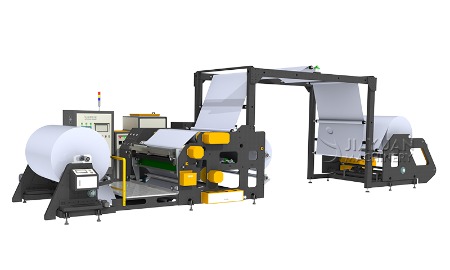
Adhesive coating machine
Customs compliance is critical for successful export. The exporter must classify the machine correctly under the Harmonized System (HS) code; an incorrect code can lead to delays and penalties. The exporter should also ensure that the machine meets the safety and electrical standards of the destination country (e.g., CE for Europe, UL for North America). If the machine does not have the required certification, the exporter may need to provide it or work with the buyer to get it certified. The exporter should provide the necessary technical documentation, including a user manual, wiring diagrams, and a declaration of conformity, in the language of the destination country. The exporter should also be aware of any import restrictions or tariffs in the destination country; these can significantly affect the total cost for the buyer. In summary, customs compliance is a multi-step process that requires attention to detail and, often, the assistance of a customs broker.
After-sales support for exported machines is a key differentiator. The exporter should have a plan for: (1) Installation and commissioning: sending experienced engineers to the buyer's site; this may require visas, travel arrangements, and language support. (2) Training: providing on-site training for operators and maintenance staff; training materials should be in the local language. (3) Spare parts: establishing a local stock or a fast shipping channel to reduce lead times. (4) Remote support: offering remote diagnostics and software updates via a secure connection. (5) Warranty service: ensuring that warranty claims are processed promptly, with clear procedures for returning defective parts. The exporter should also consider establishing a local service partner or agent to provide faster support. The exporter's reputation in the international market depends on the quality of their after-sales support; poor support can lead to lost sales and negative reviews. In summary, a robust after-sales support strategy is essential for building trust and long-term relationships with international customers.
Risk management for exporters includes: (1) Currency risk: using forward contracts to hedge against exchange rate fluctuations; (2) Payment risk: using letters of credit (L/C) or confirmed documentary collections to secure payment; (3) Political risk: obtaining export credit insurance to cover the risk of non-payment due to political instability; (4) Shipping risk: purchasing all-risk marine insurance to cover damage or loss during transit; (5) Intellectual property risk: filing patents and trademarks in key markets to prevent unauthorized copying. The exporter should also have a compliance program to ensure that all export regulations are followed, especially for controlled technologies. In conclusion, coating machine exporting is a complex but rewarding activity. By mastering logistics, customs, compliance, and after-sales support, exporters can successfully tap into global markets, build a strong brand, and achieve sustainable growth. The key is to partner with experienced logistics providers, customs brokers, and legal advisors to navigate the challenges effectively.