Coating Machine Installation: Commissioning, Performance Testing, and Operator Training
Wet commissioning is the phase where the coating machine is started with the actual substrate and coating fluid to validate its performance. The process begins with threading the web through the machine. The substrate is manually pulled from the unwinder, through all idler rolls, the coating head, the oven, and the rewinder. Tension is applied gradually, and the web is guided to ensure it runs centered. The edge guide is activated to maintain the web's lateral position. The coating fluid is prepared and loaded into the supply tank; the pump is started, and the fluid is circulated through the system, purging air from the lines. The fluid temperature is set to the specified value. The coating head is adjusted to the initial gap or pressure setting. The machine is started at a low speed (e.g., 10 m/min), and the coating is applied. The operator observes the coating bead (for slot-die) or the roll pattern and adjusts the gap, vacuum, or pressure to achieve a stable, uniform coating. The coated web passes through the oven; the temperature profile is set according to the fluid's solvent evaporation characteristics. The dried/cured coating is inspected at the rewind for defects. The coat weight is measured by the online gauge; the pump speed or die gap is adjusted to achieve the target. This iterative process is performed at gradually increasing speeds until the nominal line speed is reached. The oven temperature and airflow are optimized to ensure complete drying without defects. The entire commissioning typically takes 1-3 days, depending on the complexity and the fluid's behavior.
Performance testing is conducted to verify that the machine meets the agreed specifications. The test protocol includes: (1) Coat weight uniformity: samples are taken at multiple points across the width and measured; the variation must be within the specified tolerance (e.g., ±1.5%). (2) Line speed: the machine is run at the maximum specified speed for a sustained period (e.g., 1 hour) without defects or breaks. (3) Drying/curing efficiency: residual solvent or moisture is measured; it must be below the specified limit. (4) Tension stability: tension variations are recorded; they must be within the specified range. (5) Defect rate: the number of defects (streaks, pinholes, edge bead) per unit area is counted; it must be below the acceptance level. (6) Energy consumption: power and fuel consumption are measured; they should be within the design estimates. The tests are performed using the buyer's materials, and the results are documented. If any test fails, the supplier's engineers make adjustments—recalibrating the gauge, tuning the PID controllers, adjusting the oven airflow—and the test is repeated. The final acceptance test (SAT) is conducted at the end of the commissioning phase; the buyer's representatives witness the test and sign the acceptance certificate. The SAT is a critical milestone; it releases the final payment and starts the warranty period. In summary, performance testing ensures that the coating machine delivers the promised quality and productivity, giving the buyer confidence in their investment.
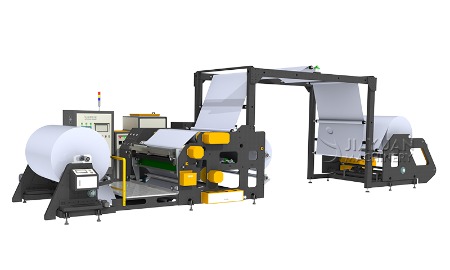
Adhesive coating machine
Operator training is an integral part of the installation package. The supplier's commissioning engineers provide hands-on training to the buyer's operators and maintenance technicians. The training covers: (1) Machine startup and shutdown procedures; (2) Recipe management: setting parameters for different products; (3) Coating head adjustment: gap, pressure, and temperature settings; (4) Oven control: setting temperature zones and airflow; (5) Tension control: adjusting unwinder, rewinder, and pull rolls; (6) Quality monitoring: using the thickness gauge, defect inspection system, and taking samples; (7) Troubleshooting common issues: streaks, pinholes, edge bead, and web breaks; (8) Preventive maintenance: cleaning procedures, lubrication schedules, and part replacement; (9) Safety procedures: emergency stops, lockout/tagout, and handling of solvents. The training includes both classroom sessions and on-the-machine practice. The operators are tested on their knowledge and skills. The supplier should provide comprehensive documentation, including operation manuals, maintenance guides, and a troubleshooting handbook. The training should be tailored to the buyer's specific products and processes. A well-trained team ensures that the machine is operated efficiently, safely, and with minimal downtime. In summary, operator training is a vital investment that maximizes the return on the coating machine by enabling consistent quality and high productivity. The installation and commissioning process, when executed with precision and thorough training, transforms a new machine into a reliable, high-performance production asset.