Coating Machine Lease: Financial Structuring, Benefits, and Lease vs. Buy Analysis
Leasing a coating machine is a financial arrangement where the buyer (lessee) pays a periodic fee to the owner (lessor) for the right to use the equipment for a specified term, typically 3-7 years. At the end of the lease term, the lessee may have options to purchase the machine at a fair market value or a predetermined residual value, to renew the lease, or to return the machine. Leasing is particularly attractive for companies with limited capital, those wanting to preserve bank credit lines, or those needing to quickly upgrade to new technology. There are two primary types of leases: (1) Operating lease: the lessor retains ownership and assumes the residual value risk. The lease payments are typically expensed as operating costs, and the equipment is not capitalized on the lessee's balance sheet. This is ideal for companies that want to avoid showing debt and want to upgrade frequently. (2) Capital lease (or finance lease): the lessee essentially purchases the machine, and the lease payments are amortized with interest; the equipment is capitalized on the balance sheet. The lessee may have a bargain purchase option at the end. This is suitable for companies that intend to own the machine eventually. The choice between operating and capital leases depends on the buyer's tax situation, accounting preferences, and long-term plans. The leasing company may be the machine manufacturer, a bank, or an independent leasing firm. The lessee should review the lease agreement carefully, including the interest rate, the residual value, and any maintenance or insurance requirements.
The benefits of leasing a coating machine include: (1) Preservation of working capital: leasing requires little or no down payment, freeing up cash for other operational needs. (2) Tax advantages: in many jurisdictions, lease payments are fully deductible as operating expenses (for operating leases), reducing the taxable income. For capital leases, depreciation and interest can be deducted. (3) Flexibility: leasing allows the lessee to upgrade to a newer model at the end of the lease term, avoiding obsolescence. (4) Off-balance-sheet treatment: operating leases do not appear as debt, improving financial ratios and potentially making it easier to obtain other financing. (5) Fixed payments: the lease payments are fixed, providing budget certainty. (6) Bundled services: some leases include maintenance and support, simplifying operations. (7) Easier approval: leasing may be easier to obtain than a bank loan, as the equipment itself serves as collateral. However, leasing also has drawbacks: (1) Higher total cost: over the lease term, the total payments often exceed the purchase price due to interest and fees. (2) Ownership: the lessee does not own the machine at the end of the term (unless they exercise a purchase option), so there is no residual value. (3) Usage restrictions: the lease may limit the machine's usage (hours, speed) and require the lessee to maintain it to certain standards. (4) Early termination penalties: if the lessee wants to end the lease early, they may face significant penalties. (5) Limited customization: leased machines are often standard models, and customizations may be restricted. The buyer should carefully evaluate whether the flexibility and cash flow benefits outweigh the higher cost. In summary, leasing is a strategic financial tool that can align with a company's capital management and technology refresh cycles.
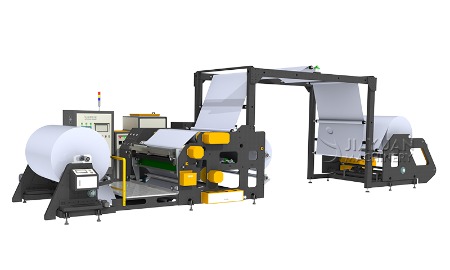
Adhesive coating machine
The lease vs. buy analysis is a financial comparison that helps the buyer decide whether to lease or purchase the machine. The analysis considers: (1) The total cost of leasing (all lease payments plus any purchase option cost) vs. the purchase price plus financing cost. (2) The time value of money: discount the future cash flows to compare their present values. (3) Tax implications: the tax benefits of depreciation (if buying) vs. the deduction of lease payments. (4) The expected useful life of the machine: if the machine will be used for many years, buying may be more cost-effective; if technology changes rapidly, leasing may be better. (5) The company's financial position: if capital is scarce, leasing is favored; if the company has excess cash, buying may be favored. (6) The residual value: if the machine retains a high resale value, buying and later selling may be advantageous. (7) The cost of capital: if the company can borrow at a low interest rate, buying may be cheaper than leasing. The buyer should create a spreadsheet model that includes all costs and benefits over the expected ownership period, and calculate the net present value (NPV) of each option. The option with the higher NPV (or lower cost) is the financially superior choice. The buyer should also consider qualitative factors, such as the strategic importance of owning the equipment and the flexibility to upgrade. In summary, the lease vs. buy analysis provides a rational basis for making a sound financial decision.
Negotiating lease terms is important to get the best deal. The buyer should: (1) Shop around: obtain quotes from multiple lessors, including the machine manufacturer, banks, and independent leasing companies. (2) Negotiate the interest rate (or money factor) and the residual value: a higher residual value lowers the monthly payments. (3) Clarify the purchase option: the price and the conditions at the end of the lease. (4) Include a "fair market value" purchase option, which gives flexibility. (5) Negotiate the maintenance and insurance responsibilities: some leases include these, while others require the lessee to provide them. (6) Review the termination clauses: avoid heavy penalties. (7) Consider a "step-up" or "step-down" payment structure that matches the company's cash flow. (8) Ensure that the lease does not restrict the machine's use to the point of hindering production. The buyer should have a financial advisor or an attorney review the lease agreement before signing. In conclusion, leasing a coating machine can be a smart financial move for companies that value cash flow flexibility and want to avoid the risks of technology obsolescence. By carefully analyzing the lease vs. buy options, negotiating favorable terms, and understanding the total cost, the buyer can choose the financing strategy that best supports their business objectives and ensures they have the necessary coating capability to compete effectively in the market.