Coating Machine Lease: Operational Considerations, Maintenance Responsibilities, and End-of-Lease Options
When leasing a coating machine, the lessee must understand their operational responsibilities. The lease agreement typically specifies the lessee's obligations regarding maintenance, insurance, and compliance. The lessee is usually responsible for routine maintenance: cleaning, lubrication, filter changes, and minor adjustments. The lessor may require that the lessee follows the manufacturer's recommended maintenance schedule and keeps detailed maintenance logs. The lessee must also ensure that the machine is operated within its specified parameters (speed, temperature, pressure) and that the facility meets the environmental conditions required for the machine. The lessee is also responsible for obtaining and maintaining adequate insurance coverage for the machine, including property damage, business interruption, and liability insurance. The lessee must comply with all applicable safety and environmental regulations, including those related to solvent handling and emissions. Failure to meet these responsibilities may be a breach of the lease agreement and could result in penalties or termination. The lessee should designate a qualified operator and a maintenance supervisor to oversee the machine's daily operation and upkeep. Regular communication with the lessor's technical support team is recommended to address any issues promptly. In summary, the lessee must treat the leased machine as if they own it, with the same level of care and attention, to avoid additional costs and to ensure the machine performs reliably.
The lease agreement also defines the lessee's responsibility for repairs beyond routine maintenance. For major repairs, the lessee may be required to cover the cost, or the lessor may provide coverage under a maintenance agreement included in the lease. The buyer should clarify this point before signing: is the lease "full-service" (including all repairs) or "bare-bones" (lessee responsible for all repairs)? A full-service lease has higher monthly payments but provides budget predictability. A bare-bones lease has lower payments but exposes the lessee to potentially large repair costs. The lessee should also understand the process for obtaining the lessor's approval before performing major repairs, as unauthorized repairs may void the warranty or the lease. The lessee should also plan for spare parts inventory; if the machine breaks down, the lessee may need to source parts quickly to minimize downtime. The lessor may offer a spare parts kit or a parts replacement program. In summary, understanding the repair responsibilities and having a plan for major breakdowns is essential to avoid production interruptions and unexpected expenses.
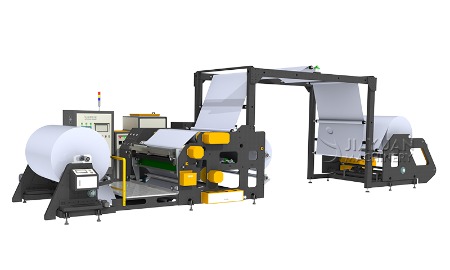
Adhesive coating machine
At the end of the lease term, the lessee typically has three options: (1) Return the machine to the lessor. The lessee must ensure that the machine is in good operating condition, with normal wear and tear allowed. The machine may need to be cleaned and certified. The lessor will inspect the machine; any excessive damage or missing parts may result in additional charges. The lessee should also return all documentation and software licenses. (2) Renew the lease for an additional term, often at a lower monthly payment, as the residual value has decreased. (3) Purchase the machine at a predetermined price, which is either a fixed "bargain purchase" price (for capital leases) or the fair market value (for operating leases). The buyer should decide which option to choose based on the machine's condition, the remaining useful life, the cost to purchase, and the company's future needs. If the machine has been well-maintained and is still technologically relevant, purchasing it may be a good value. If technology has advanced significantly, returning it and leasing a newer model may be better. The lessee should initiate discussions with the lessor about the end-of-lease options at least 3-6 months before the term ends to allow for planning. In summary, the end-of-lease decision is a strategic opportunity to align the company's coating capabilities with its long-term production and technology roadmap.
Practical considerations for the lessee during the lease term include: (1) Documenting all maintenance and repairs to demonstrate compliance with the lease conditions. (2) Keeping a record of the machine's performance data (coat weight, speed, defect rate) to evaluate whether the machine continues to meet production requirements. (3) Planning for the machine's replacement or upgrade well in advance of the lease end. (4) Negotiating with the lessor for a "trade-in" or upgrade option during the lease, if the lessor offers such flexibility. (5) Ensuring that the lessee's insurance coverage remains adequate and up to date. (6) Training new operators as staff turnover occurs. (7) Maintaining a relationship with the lessor's service team to get priority support. In conclusion, leasing a coating machine is not just a financial transaction; it is an operational partnership. By understanding and fulfilling their responsibilities, and by planning for the end of the lease, the lessee can maximize the benefits of leasing and ensure a smooth, productive operation. Leasing offers a valuable alternative to purchasing, especially for companies that value flexibility and want to avoid the risks of long-term ownership of rapidly evolving coating technologies.