Coating Machine Warranty: Coverage, Exclusions, and Claims Process
A coating machine warranty is a contractual guarantee provided by the manufacturer or supplier that the equipment will be free from defects in materials and workmanship for a specified period, typically 12 to 24 months from the date of commissioning. The warranty covers the cost of repairing or replacing defective parts, as well as the labor costs for the repairs. In addition, many suppliers offer a performance warranty that guarantees the machine will meet specific operational metrics, such as coat weight uniformity, line speed, and energy consumption, for a defined period (often the first year of operation). If the machine fails to meet these metrics, the supplier is obligated to make adjustments at their own expense. The warranty is a critical risk mitigation tool for the buyer; it ensures that the supplier stands behind their product and that any early-life failures are corrected without additional cost. The warranty period typically begins after the final acceptance test (SAT) is signed. The buyer should thoroughly review the warranty terms before signing the purchase contract; any ambiguities should be clarified and negotiated. A strong warranty reflects the supplier's confidence in their equipment and provides peace of mind to the buyer.
Standard warranty coverage includes: (1) Mechanical components: rolls, bearings, frames, drives, and gears; (2) Electrical components: motors, drives, PLCs, HMIs, and sensors; (3) Thermal components: heaters, thermocouples, and heat exchangers; (4) Coating head: die bodies, shims, doctor blades, and gravure cylinders (against manufacturing defects); (5) Auxiliary equipment: pumps, filters, and ovens. The labor coverage typically includes the cost of sending a technician to the buyer's site for diagnosis and repair, as well as the time spent on the repair. Some warranties also cover travel expenses and accommodation for the technician. The performance warranty covers the agreed-upon specifications; if the machine does not meet them, the supplier must modify the machine or provide a remedy. The warranty is usually transferable to a new owner if the machine is sold, provided that the new owner complies with the maintenance requirements. The buyer should also ensure that the warranty is backed by a service level agreement (SLA) that defines the response time for service calls (e.g., within 24 hours for critical issues) and the maximum time to resolve the issue. In summary, a comprehensive warranty covers both parts and labor, and it includes performance guarantees, providing the buyer with financial protection and assurance of the machine's quality.
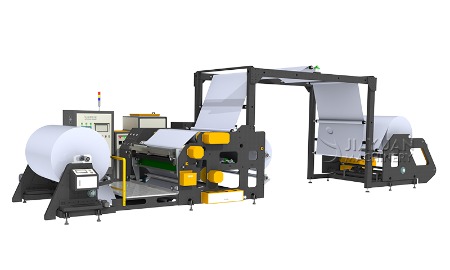
Adhesive coating machine
Warranty exclusions are equally important to understand. Common exclusions include: (1) Consumable parts: shims, doctor blades, filters, belts, and lubricants; (2) Damage caused by misuse, improper operation, or negligence: e.g., running the machine beyond its specified speed, using incompatible fluids, or failing to follow the maintenance schedule; (3) Damage caused by external factors: power surges, floods, fires, or accidents; (4) Unauthorized modifications or repairs performed by the buyer or third parties; (5) Normal wear and tear: e.g., gradual roll wear, bearing aging, and rubber cover degradation; (6) Damage resulting from improper site preparation (e.g., unlevel floor, incorrect utilities); (7) Software issues: bugs in the control software may be covered, but the warranty may not include updates for new features. The buyer should read the exclusions carefully and ask the supplier to explain any unclear terms. It is common for the warranty to require that the buyer uses only approved lubricants, cleaning agents, and spare parts to keep the warranty valid. The buyer should also be aware that the performance warranty is only valid if the machine is operated within the specified environmental conditions (temperature, humidity) and with the specified substrates and fluids. In summary, understanding the exclusions helps the buyer avoid unexpected costs and ensures that they take the necessary steps to keep the warranty in force.
The claims process for a warranty issue should be clearly defined in the contract. The typical process is: (1) The buyer notifies the supplier in writing (by email or through a service portal) about the issue, providing a detailed description, any error codes, and, if possible, photos or videos. (2) The supplier's technical support team diagnoses the issue, often via remote access to the machine's control system. (3) If the issue can be resolved remotely (e.g., by adjusting a parameter), the supplier provides instructions. (4) If the issue requires on-site service, the supplier dispatches a technician. The buyer may be required to provide local assistance, such as a translator or tools. (5) The technician repairs or replaces the defective part. The defective part may be returned to the supplier for analysis. (6) The repair is documented, and the machine is tested to ensure it is functioning correctly. (7) The buyer signs off on the repair. The supplier's response time and the maximum time to resolve the issue are often specified in the SLA. The buyer should track all warranty claims and the time taken to resolve them, as this data can be useful for future negotiations or for identifying systemic issues. In summary, a clear and efficient claims process minimizes downtime and ensures that warranty issues are resolved quickly.
Negotiating warranty terms is an important part of the purchase contract. The buyer should: (1) Ask for a longer warranty period, especially for critical components like the oven and the coating head; (2) Request coverage for travel and accommodation expenses for on-site repairs; (3) Ensure that the performance warranty is specific and measurable, with clear test procedures; (4) Include a "service level agreement" with defined response times and penalties for non-compliance; (5) Ask for a warranty that covers the cost of the substrate and coating fluid wasted during warranty repairs; (6) Ensure that the warranty is transferable, which can increase the resale value of the machine; (7) Negotiate for a "first-article" warranty: the supplier guarantees that the first production run will meet the quality specifications. The buyer should also have a legal expert review the warranty clauses. In conclusion, a well-negotiated warranty protects the buyer's investment and ensures that the supplier remains accountable for the machine's performance. By understanding the coverage, exclusions, claims process, and negotiation points, the buyer can secure a warranty that provides comprehensive protection and contributes to the long-term success of the coating operation.