Coating Machine Warranty: Extended Warranty Options, Service Contracts, and Maintenance Agreements
An extended warranty is a paid service that extends the coverage period beyond the standard 12-24 months. Extended warranties typically cover the same scope as the original warranty—parts and labor for defects in materials and workmanship—but for a longer period, such as 3, 5, or even 10 years. The cost of an extended warranty is usually a percentage of the machine's purchase price (e.g., 5-15% per year). The buyer should weigh the cost against the potential repair expenses; complex coating machines have many expensive components (drives, PLCs, ovens), and a single major failure could cost more than the extended warranty. Extended warranties also provide budget predictability, as the buyer knows the fixed annual cost. However, extended warranties typically do not cover consumables, wear items, or damage caused by misuse. They also require that the buyer adheres to the manufacturer's recommended maintenance schedule; otherwise, the warranty may be voided. The buyer should carefully read the terms of the extended warranty, including any deductibles or co-pays. Some suppliers offer a "parts-only" extended warranty, where the buyer pays for labor but the parts are covered; this is a lower-cost option. In summary, an extended warranty is a form of insurance that protects against major repair costs and provides peace of mind for long-term ownership.
A service contract is a separate agreement that covers not only warranty-like repairs but also preventive maintenance, inspections, and technical support. Service contracts are often offered by the machine manufacturer or by third-party service providers. The contract may include: (1) Scheduled preventive maintenance visits (e.g., quarterly or bi-annually) where a technician inspects, cleans, and calibrates the machine; (2) Priority response for repairs; (3) Remote monitoring and diagnostics; (4) Discounted rates for labor and parts; (5) Annual performance audits. Service contracts are typically priced per year and are based on the machine's size and complexity. The benefit of a service contract is that it keeps the machine in optimal condition, preventing breakdowns and extending its service life. It also ensures that the machine is always up to date with the latest software and safety updates. The buyer should compare the cost of a service contract with the cost of in-house maintenance; a service contract may be more cost-effective if the buyer lacks trained maintenance personnel. The contract should clearly define the scope of work, the response times, and the exclusions. In summary, a service contract is a comprehensive solution that combines preventive and corrective maintenance, ensuring high machine availability and performance.
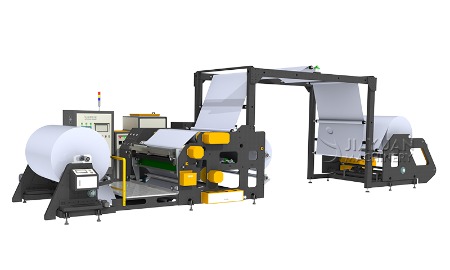
Adhesive coating machine
A maintenance agreement is similar to a service contract but often focuses more on the preventive maintenance aspect, with a fixed schedule of inspections and minor repairs. The maintenance agreement may be offered by the manufacturer or by an independent service company. It typically includes: (1) Regular lubrication and cleaning; (2) Calibration of sensors and gauges; (3) Inspection of rolls, bearings, and drives; (4) Replacement of wear items (e.g., filters, belts) at the specified intervals; (5) Software updates; (6) Documentation of all maintenance activities. The buyer provides the labor (their own maintenance team), and the supplier provides the technical guidance and spare parts. This is a lower-cost option than a full service contract, but it requires the buyer to have a competent maintenance staff. The maintenance agreement should include a detailed checklist of tasks and the frequency. The buyer should also agree on the spare parts to be stocked. In summary, a maintenance agreement is a practical way to ensure that the machine receives regular, expert care without the high cost of a full service contract.
Choosing between extended warranty, service contract, and maintenance agreement depends on the buyer's budget, in-house capabilities, and risk tolerance. (1) Extended warranty is best for buyers who want to protect against major, unpredictable failures without committing to ongoing service visits. (2) Service contract is ideal for buyers who have limited technical staff and want a "hands-off" approach to maintenance. (3) Maintenance agreement is suitable for buyers who have skilled technicians but need expert guidance and parts support. The buyer should also consider the machine's criticality: if the machine is a single point of failure in the production line, a service contract with a guaranteed response time is prudent. The buyer should also evaluate the supplier's reputation for service; a supplier with a global network can provide faster support. The buyer should negotiate the terms, including the price, the scope, and the duration. In conclusion, post-warranty protection options are an important part of the total cost of ownership. By selecting the right option, the buyer can ensure that their coating machine remains productive, reliable, and efficient for its entire service life, maximizing the return on investment.