OEM Coating Equipment: Custom Manufacturing, Branding, and Integration Strategies
OEM coating equipment is a business model where a company (the OEM buyer) contracts a manufacturer (the OEM supplier) to produce coating machines that are branded and sold by the buyer. This model allows the buyer to enter the coating equipment market without investing in extensive manufacturing facilities, engineering teams, or supply chains. The buyer focuses on marketing, sales, and customer relationship management, while the supplier handles design, production, and quality control. The OEM process typically begins with the buyer defining the product specifications: the coating method, substrate width, speed range, auxiliary equipment, and control system. The buyer may provide a basic design or conceptual drawings, and the OEM supplier's engineering team develops the detailed mechanical and electrical designs. The supplier then manufactures the machine according to the agreed specifications, often using their own standard components and subassemblies. The machine is tested at the supplier's factory and then shipped to the buyer. The buyer may then install the machine at their customer's site or resell it. The OEM buyer retains the intellectual property rights to the design and the brand, while the supplier provides a warranty and support, often under a separate service agreement. The OEM model offers flexibility and speed to market, but it requires careful management to ensure quality consistency and brand reputation.
The selection of an OEM supplier is critical. The buyer should evaluate the supplier's manufacturing capabilities, quality management system (ISO 9001), engineering expertise, and track record in OEM projects. The supplier should have experience with the specific coating technology and be willing to adapt their standard designs to meet the buyer's requirements. The buyer should visit the supplier's facility to assess their production capacity, lead times, and quality control processes. The contract should clearly define the scope of work: design, materials, manufacturing, testing, packaging, and shipping. It should also include confidentiality clauses to protect the buyer's proprietary designs. The buyer should consider the supplier's financial stability and their ability to scale production as the buyer's business grows. The supplier should provide a detailed quality plan, including inspection points, testing procedures, and acceptance criteria. The buyer may also require a factory acceptance test (FAT) before shipment. The partnership should be based on mutual trust and clear communication, with regular progress meetings. In summary, selecting the right OEM supplier is the foundation of a successful
OEM coating equipment business.
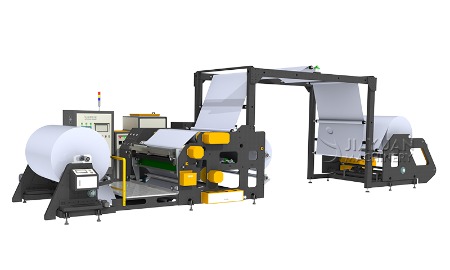
Adhesive coating machine
Branding and customization are key differentiators for OEM buyers. The buyer can specify the machine's color scheme, logo placement, and control panel layout to create a unique brand identity. The buyer may also offer options and upgrades (e.g., different coating heads, enhanced automation) to meet diverse customer needs. The OEM supplier should provide a modular design that allows these customizations without extensive re-engineering. The buyer should also develop comprehensive marketing materials, including brochures, technical datasheets, and application guides, that highlight the machine's features and benefits. The buyer's sales team must be trained on the machine's technical aspects to effectively sell it. The buyer should also consider providing after-sales service, either through their own team or through a service agreement with the OEM supplier. The brand's reputation is tied to the machine's performance, so the buyer must ensure that the OEM supplier maintains consistent quality and meets delivery deadlines. In summary, effective branding and customization enable the buyer to build a distinctive market position and customer loyalty.
Integration strategies involve how the OEM machine fits into the buyer's product portfolio and the customer's production line. The buyer should ensure that their OEM machine is compatible with common upstream and downstream equipment, such as unwinders, rewinders, laminators, and slitters. The control system should have standard communication protocols (e.g., Ethernet/IP, Profibus) to integrate with the customer's MES or ERP systems. The buyer may also offer a "turnkey" solution that includes the OEM coater along with complementary equipment from other suppliers, providing a complete production line. The buyer should work closely with the OEM supplier to ensure that the machine's footprint, power requirements, and utilities match the typical customer facility. The buyer should also provide comprehensive documentation, including installation manuals, operation guides, and maintenance schedules, under their own brand. In summary, integration strategies enhance the value proposition of the OEM equipment, making it easier for customers to adopt and operate.
Quality assurance in OEM partnerships requires a defined process. The buyer should establish a quality agreement with the OEM supplier that specifies acceptable quality levels (AQLs), inspection methods, and corrective action procedures. The buyer may also conduct periodic audits of the supplier's facility. The supplier should provide detailed test reports for each machine, including the results of functional tests, safety tests, and performance tests. The buyer should also have an incoming inspection procedure to verify that the machine meets specifications upon delivery. If quality issues arise, the buyer and supplier should work together to resolve them quickly. The long-term success of the OEM partnership depends on continuous improvement and open communication. Regular reviews of quality metrics, customer feedback, and production efficiency help both parties improve. In conclusion, OEM coating equipment offers a strategic path to market for companies that want to leverage external manufacturing while building their own brand. By carefully selecting the supplier, defining clear specifications, managing branding and integration, and ensuring quality, the buyer can create a successful OEM product line that meets customer needs and generates profitable revenue.