OEM Coating Equipment: Legal Agreements, Intellectual Property, and Warranty Considerations
The legal foundation of an OEM coating equipment partnership is the OEM agreement. This contract should clearly define the roles, responsibilities, and rights of both parties. Key clauses include: (1) Scope of Work: detailed specifications of the equipment, including technical drawings, performance criteria, and acceptance tests. The specifications must be unambiguous to avoid disputes. (2) Intellectual Property (IP) Ownership: the buyer typically owns the IP for the design, brand, and any proprietary features; the OEM supplier grants a license to use their standard components and manufacturing processes. The contract should specify that the supplier cannot use the buyer's designs for other customers. (3) Exclusivity: the buyer may request exclusivity in certain geographic regions or market segments; the supplier agrees not to sell similar equipment to competitors in those areas. (4) Pricing and Payment Terms: the contract should state the unit price, payment schedule (e.g., 30% upfront, 40% on delivery, 30% on acceptance), and any volume discounts. (5) Delivery and Acceptance: the delivery date, shipping terms (Incoterms), and the acceptance test procedure (FAT at supplier, SAT at buyer's site) should be defined. The buyer should have the right to reject the equipment if it fails to meet the specifications. The contract should also include a penalty clause for late delivery. (6) Warranties: the OEM supplier should provide a warranty on the equipment (e.g., 12-24 months) covering defects in material and workmanship. The buyer should also offer a warranty to their end-customers, but the buyer's warranty should be back-to-back with the supplier's. (7) Indemnification: the supplier should indemnify the buyer against any claims arising from the supplier's negligence or defects in the equipment. The buyer should indemnify the supplier against claims arising from the buyer's specifications. (8) Confidentiality: both parties agree to keep each other's proprietary information confidential. (9) Termination: the conditions under which either party can terminate the agreement, including breach, insolvency, or force majeure. (10) Dispute Resolution: the contract should specify the governing law and the method of dispute resolution (arbitration or litigation). A well-drafted OEM agreement protects both parties and provides a clear framework for the business relationship.
Intellectual property (IP) protection is a major concern for OEM buyers. The buyer's design may include innovative features, such as a unique die geometry, a proprietary tension control algorithm, or a specialized drying configuration. The buyer should file for patents or trademarks before disclosing the design to the OEM supplier. The OEM agreement should include a clause that the supplier assigns all IP rights in the design to the buyer. The supplier should also agree not to reverse-engineer the buyer's design. The buyer should also protect their brand name and logo through trademark registration. In addition, the buyer should ensure that the OEM supplier does not use any of the buyer's confidential information for other projects. The contract should have a "no-solicitation" clause to prevent the supplier from poaching the buyer's customers or employees. If the supplier uses any third-party software or components, the buyer should ensure that they have the necessary licenses. In summary, a robust IP strategy is essential to maintain the buyer's competitive advantage and brand value.
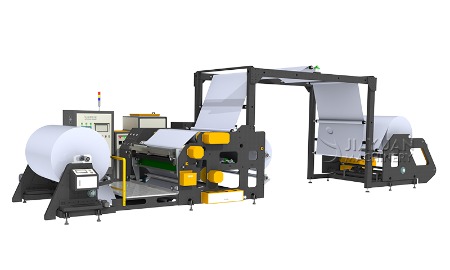
Adhesive coating machine
Warranty and liability allocation is a critical aspect of the legal agreement. The buyer must balance the desire for a comprehensive warranty from the supplier with the cost implications. The standard warranty covers defects in material and workmanship but excludes consumables (e.g., shims, doctor blades, filters) and damage caused by misuse, improper maintenance, or accidents. The buyer should negotiate for a warranty that includes free replacement of defective parts and labor for repairs during the warranty period. The supplier should also provide a "performance warranty" that guarantees the machine will meet the specified coat weight uniformity and speed for a defined period. If the machine fails to meet the performance criteria, the supplier should be obligated to remedy the issue at their cost. Liability caps are also negotiated; the supplier's total liability is often limited to the purchase price of the machine. The buyer should consider purchasing product liability insurance to cover claims from end-users. The contract should also specify the procedure for warranty claims: the buyer must notify the supplier in writing, provide evidence, and allow the supplier to inspect the machine. The supplier should respond within a defined timeframe. In summary, clear warranty and liability terms reduce the risk of costly disputes and ensure that both parties have aligned expectations.
Dispute resolution mechanisms are essential to avoid litigation. The contract should include a multi-step dispute resolution process: first, negotiation between the parties; if unsuccessful, mediation by a third-party neutral; if mediation fails, arbitration under a recognized institution (e.g., ICC, AAA). Arbitration is generally faster and more confidential than court litigation. The contract should specify the place of arbitration and the applicable law. For international OEM agreements, it is advisable to choose a neutral jurisdiction. The buyer and supplier should also agree on the language of the contract and the dispute resolution process. In addition, the contract should include a "continuing obligations" clause that requires both parties to continue performing their obligations during the dispute resolution process, except for the specific issue in dispute. In summary, a well-defined dispute resolution process minimizes the risk of prolonged and costly legal battles, preserving the business relationship where possible.
In conclusion, legal agreements for
OEM coating equipment are complex and require careful drafting. The buyer should engage legal counsel experienced in manufacturing and intellectual property law to negotiate the contract. The agreement should be a living document; as the business relationship evolves, the contract may need to be amended. Regular reviews of the OEM agreement, especially when new products are added or regulations change, are recommended. A strong legal framework, combined with a collaborative partnership, enables the OEM buyer to leverage the supplier's manufacturing capabilities while protecting their own assets and brand. This strategic approach ensures that the OEM coating equipment business is built on a solid foundation, minimizing risks and maximizing opportunities for growth.