OEM coating equipment
OEM coating equipment refers to machinery and systems that are designed, engineered, and manufactured by an original equipment manufacturer (OEM) specifically for coating applications, typically sold under the OEM's brand name and often customized to the buyer's specifications. OEMs are responsible for the complete lifecycle of the equipment, from concept and design to manufacturing, testing, installation, and after-sales support. This article provides a comprehensive technical overview of OEM coating equipment, including the advantages of buying from an OEM, the typical OEM service scope, key considerations for OEM selection, and the value of OEM support in long-term operation.
OEM coating equipment manufacturers are typically companies with deep expertise in mechanical engineering, fluid dynamics, thermal management, and control systems, specialized in coating processes for adhesives, paints, varnishes, and functional coatings. They offer a range of standard machines, such as slot die coaters, roll coaters, gravure coaters, and comma blade coaters, but also provide extensive customization to meet specific substrate, adhesive, and productivity requirements. Leading OEMs in the adhesive coating industry include names like Nordson, Faustel, Black Bros., and various European and Asian manufacturers. These OEMs invest heavily in R&D to improve coating precision, energy efficiency, and automation. Buying OEM equipment ensures that the machine is built to high-quality standards using appropriate materials, with rigorous testing before delivery, reducing the risk of early failures and compatibility issues.
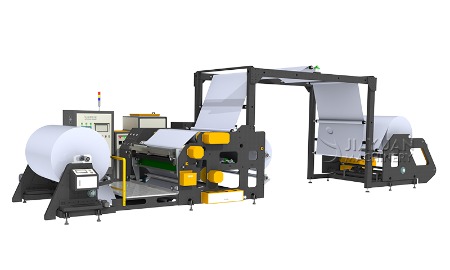
Adhesive coating machine
One of the primary benefits of OEM coating equipment is the comprehensive support package. An OEM typically provides full documentation (mechanical drawings, electrical schematics, software, manuals), installation supervision, commissioning, and operator training. Many OEMs offer remote diagnostics via internet connections, allowing them to troubleshoot issues without a site visit. They maintain a stock of critical spare parts, ensuring quick delivery when needed. OEMs also provide updates to control software and can recommend upgrades to improve performance or add new features. For example, an OEM can upgrade a hot melt slot die line with advanced profile control actuators or add a lamination station for new product lines. This lifecycle support is invaluable for minimizing downtime and maintaining product quality. Furthermore, OEMs often have a deep understanding of the specific adhesive market, providing process optimization advice based on their extensive experience across many installations.
When selecting an OEM for coating equipment, key considerations include the OEM's experience in your specific application (e.g., tape coating vs. label coating vs. medical coating), their technical capability in the required coating method, the quality of their manufacturing, and their global service network. Request references from existing customers and, if possible, visit their facility to see the manufacturing process and quality control measures. Evaluate the OEM's standard machine specifications against your requirements; customization options should be flexible and well-documented. Ask about lead times for new equipment and for spare parts. Review the warranty terms and the extent of post-warranty support. The OEM's financial stability is also important, as a financially sound company is more likely to provide long-term support. Some OEMs offer modular designs, allowing you to start with a basic line and add modules later, which is beneficial for phased investments. Price is always a factor, but the total cost of ownership, including energy consumption, maintenance frequency, and spare parts costs, should be considered.
The value of OEM coating equipment extends beyond the machine itself. OEMs often provide process development services, helping you optimize coating conditions, select the right adhesive, and troubleshoot quality issues. They may have test facilities where you can run trial batches using your own materials before committing to a purchase. This de-risks the investment by ensuring that the machine will meet performance targets. Additionally, OEMs are typically at the forefront of technological advances, such as Industry 4.0 integration, predictive maintenance, and energy-saving features. By partnering with an OEM, you gain access to these innovations as they become available. In summary, while OEM coating equipment typically carries a higher upfront cost than used or non-OEM alternatives, the combination of superior design, robust construction, comprehensive support, and long-term reliability makes it a preferred choice for manufacturers requiring high precision, high uptime, and global compliance. Choosing the right OEM is a strategic partnership that can significantly enhance your competitive position in the adhesive coating market.