adhesive coating machine
Adhesive coating machines are precision industrial systems designed to apply uniform layers of adhesive onto various substrates including paper, film, foil, fabric, and specialty materials. These machines are fundamental to the production of tapes, labels, packaging materials, medical devices, and industrial laminates. This comprehensive overview covers working principles, major machine types, application sectors, market trends, and key selection criteria for adhesive coating equipment across diverse industries.
An adhesive coating machine is engineered to deposit a thin, uniform layer of adhesive onto a moving substrate web in a continuous roll-to-roll process. The basic configuration includes an unwind station that feeds the substrate, a coating head that applies the adhesive, a drying or curing section (depending on adhesive type), and a rewind station that collects the finished coated product. The coating head is the core component, and its design varies significantly based on the adhesive chemistry, desired coat weight, line speed, and precision requirements. Common coating methods include roll coating, gravure coating, slot die coating, comma blade coating, and spray coating. The selection of the appropriate coating method is critical to achieving the required product specifications while maintaining production efficiency and minimizing material waste.
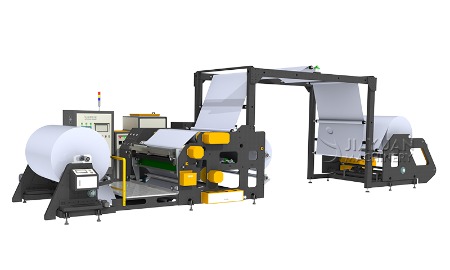
Adhesive coating machine
The global adhesive coating machine market was valued at approximately USD 1.5-2.8 billion in 2024 and is projected to grow at a compound annual growth rate of 5%-8% through 2030. This growth is driven by increasing demand for sustainable packaging solutions, the expansion of e-commerce, rising healthcare expenditure on medical adhesive products, and the push for automation and energy efficiency in industrial equipment. The packaging industry remains the largest application segment, accounting for a significant share of market demand, followed by the medical sector which is experiencing rapid growth due to the rising need for wound dressings, surgical tapes, and transdermal patches. Geographically, the Asia-Pacific region is the fastest-growing market, with China, India, Japan, and Southeast Asia leading the expansion due to robust industrialization and increasing packaging consumption.
Adhesive coating machines are categorized based on the type of adhesive they process. Hot melt coating machines apply 100% solid thermoplastic adhesives that are melted, applied, and solidified upon cooling without requiring any drying step. Solvent-based coating machines use organic solvents to dissolve the adhesive, requiring extensive drying ovens to evaporate the solvent and leave the solid coating. Water-based coating machines apply adhesives where water serves as the carrier medium, also requiring drying but with lower VOC emissions compared to solvent-based systems. Pressure-sensitive adhesive (PSA) coating machines are a specialized category that can utilize any of these adhesive types to produce self-adhesive products that bond upon application of light pressure.
Key performance parameters for adhesive coating machines include coat weight uniformity, line speed, coating width, and adhesive viscosity handling capability. Modern machines incorporate advanced control systems such as closed-loop coat weight control using beta or X-ray gauges, servo-driven tension control, and programmable logic controllers (PLC) for automated process management. Precision is particularly critical in medical and electronic applications where coating thickness variations of even a few microns can affect product performance. Manufacturers are increasingly investing in digital monitoring, Industry 4.0 connectivity, and eco-friendly adhesive technologies to address both regulatory requirements and performance demands. The trend toward sustainable and recyclable packaging materials is also driving innovation in adhesive coating equipment capable of handling biodegradable substrates and water-based adhesives.