coating machine warranty
A coating machine warranty is a formal guarantee provided by the manufacturer or supplier to the buyer, covering the repair or replacement of defective parts and addressing performance issues that arise within a specified period after installation. The warranty is a critical element of the purchase contract, protecting the buyer against hidden defects and ensuring that the equipment performs as promised. This article provides a comprehensive technical overview of coating machine warranties, including typical coverage, exclusions, duration, warranty claim procedures, and best practices for maximizing warranty protection.
Standard coating machine warranties typically cover defects in materials and workmanship for a period of 12 to 24 months from the date of installation or commissioning, whichever is later. Some suppliers offer extended warranties up to 36 months for an additional cost. The warranty generally covers the replacement or repair of defective components, including mechanical parts (rolls, gears, bearings), electrical parts (motors, drives, sensors), and the control system (PLC, HMI), provided that the equipment has been operated and maintained according to the supplier's instructions. Performance guarantees are often included, ensuring that the machine meets specified criteria such as coat weight accuracy, line speed, and uniformity. If the machine fails to meet these performance guarantees, the supplier is obligated to correct the issue at no cost to the buyer. The warranty period may be extended for major components, such as the slot die or gear pump, which are often guaranteed for longer terms (e.g., 5 years) against manufacturing defects.
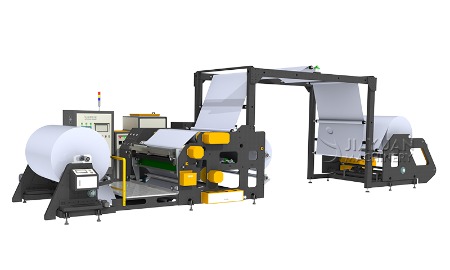
Adhesive coating machine
However, warranties have important exclusions that buyers must understand. The warranty typically does not cover consumable parts such as doctor blades, filters, seals, belts, and heater elements, which are considered normal wear items. Damage caused by improper installation, misuse, abuse, neglect, or operation outside the specified parameters (e.g., exceeding maximum temperature or pressure) is excluded. Modifications or repairs performed by unauthorized personnel void the warranty. Failure to follow the recommended maintenance schedule, including lubrication, cleaning, and replacement of wear parts, can also void coverage. The warranty does not cover indirect or consequential damages, such as lost production, lost profits, or costs of raw materials wasted due to downtime. Force majeure events (natural disasters, fires, etc.) are also excluded. It is essential to read the warranty terms carefully and clarify any ambiguous clauses before signing the contract. The buyer should also ensure that the warranty is transferable if the equipment is sold or moved to another location.
The process for making a warranty claim typically involves notifying the supplier in writing as soon as a defect is discovered, providing detailed information including the machine serial number, date of failure, description of the problem, and any error codes or measurements. The supplier will then diagnose the issue, often remotely via phone or internet connection. If a part needs replacement, the supplier will ship it (usually at their cost) and may provide instructions for installation. For more complex issues, a service engineer may be dispatched to the site. The buyer is usually responsible for providing reasonable access, local safety, and necessary utilities. The supplier's response time is often specified in the contract; reputable suppliers aim to respond within 24 hours for critical issues. The buyer should document all communications and maintain records of the defect and the corrective actions. If the supplier is unable to resolve the issue within a reasonable time, the buyer may be entitled to compensation or a warranty extension.
Best practices for buyers to maximize warranty protection include conducting a thorough installation and commissioning checklist with the supplier, operating the machine within specified limits, following the recommended maintenance schedule meticulously, and keeping detailed maintenance logs. Operators should be trained to recognize early signs of problems and to shut down the machine safely to prevent further damage. Regular inspections and timely replacement of wear parts, even before they fail, can prevent costly breakdowns that may not be covered. The buyer should also maintain a stock of critical spare parts to minimize downtime during warranty repairs. If the machine is to be used for a new application or with new materials, the buyer should consult the supplier to ensure compatibility; unauthorized modifications may void the warranty. Finally, the buyer should consider purchasing a service contract or extended warranty after the initial period expires, to ensure continued support and protection. In summary, the coating machine warranty is a vital risk management tool, but it requires active engagement from the buyer to ensure full benefits. Understanding the coverage, exclusions, and procedures, combined with diligent operation and maintenance, will help secure a successful and productive long-term relationship with the equipment supplier.